
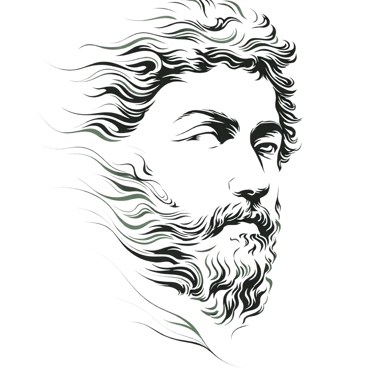
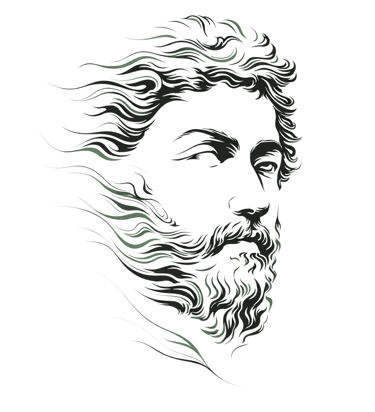
Marcus Aurelius
121-180
Areas of Philosophy: Stoicism, ethics, self-mastery, mortality
Overview: Marcus Aurelius writes as though every page were composed under siege, because in a sense it was. His Meditations are not spiritual décor but exercises in stripping the world down to what can and cannot be controlled. Reputation, pleasure, flesh, time, and empire are all transient. Death is near, praise is empty, and most disturbances begin in judgment. He belongs in brutal philosophy because his stoicism refuses self-pity while never pretending that the universe owes meaning, fairness, or permanence.
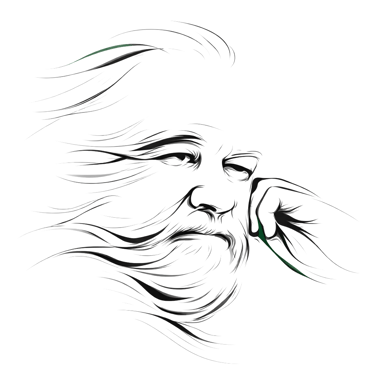
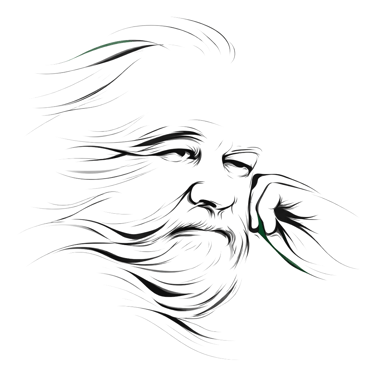
Martin Butler
1952-present
Areas of Philosophy: negative philosophy, realism, philosophical psychology, Spinoza-influenced thought
Overview: Martin Butler is a contemporary philosopher of realism and negative philosophy whose work blends philosophy, science, and psychology into a discipline of unsentimental clarity. He rejects comforting illusion and focuses instead on truth, authenticity, and practical self-understanding. Drawing especially on Spinoza, Gurdjieff, and scientific thinking, Butler presents philosophy as a lived practice rather than an academic exercise. His work fits Brutal Philosophy through its emphasis on lucidity, emotional honesty, and confrontation with reality.
Albert Caraco
1919-1971
Areas of Philosophy: philosophical pessimism, civilizational critique, nihilism, anti-humanism
Overview: Caraco writes like a prophet of demographic collapse, spiritual rot, and terminal civilization. He despises sentimentality, mass society, and the illusions that permit cultures to survive their own contradictions. His prose is severe, compressed, and often venomous, driven by the conviction that modern humanity multiplies emptiness while calling it progress. He belongs in brutal philosophy because he speaks from the edge of misanthropy without retreating into vagueness. He names collapse with ceremonial clarity and without therapeutic concession.
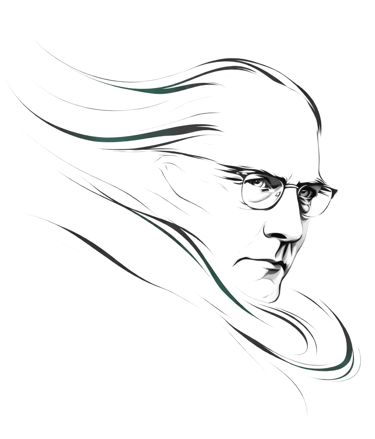
Nicolas Chamfort
1741-1794
Areas of Philosophy: moral psychology, aphorism, social criticism, Enlightenment disillusion
Overview: Chamfort condenses the corruption of social life into blades of wit. His maxims expose vanity, calculation, ingratitude, hypocrisy, and the transactional structure of elite society. Unlike system-builders, he works by incision: one sentence, one humiliation, one unforgettable clarification. He matters to brutal philosophy because he understands that cruelty is often embedded less in spectacular evil than in everyday relations—friendship, reputation, courtship, ambition, patronage. He is a master of compressed disillusion, elegant enough to wound on contact.


Emil Cioran
1911–1995
Areas of Philosophy: philosophical pessimism, nihilism, existentialism, aphoristic moral psychology
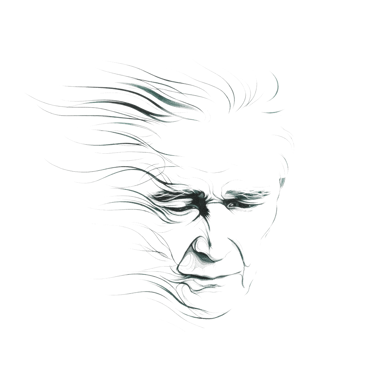
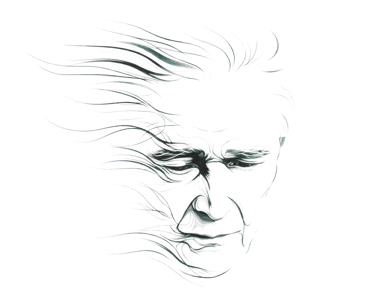
Overview: Cioran wrote as though consciousness itself were a wound that never closes. He distrusted systems, progress, redemption, and every public performance of hope. His books compress metaphysical despair into aphorisms that feel both elegant and poisonous. He transforms insomnia, disgust, failure, and spiritual exhaustion into philosophical material. What makes him indispensable to brutal philosophy is his refusal to soften lucidity: he writes from the conviction that awareness often deepens suffering rather than liberating us from it.
Fyodor Dostoevsky
1821-1881
Areas of Philosophy: existential psychology, philosophy of freedom, religion, moral conflict
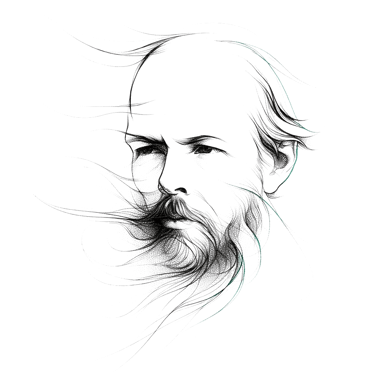
Overview: Dostoevsky explores what happens when human beings are given freedom without moral simplification. His characters humiliate themselves, sabotage their own interests, seek suffering, and revolt against reason itself if reason threatens to explain them away. He understood that people do not simply want happiness; they also want dignity, transgression, irrationality, and the right to wound themselves. He belongs here because he uncovers the subterranean motives beneath morality, rebellion, guilt, and faith with unmatched psychological ferocity.
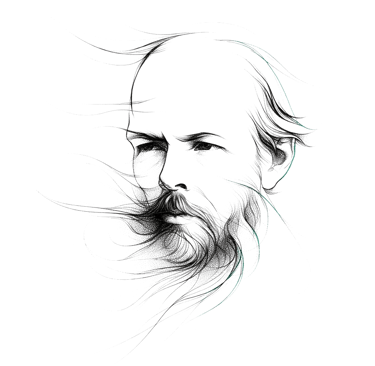
Epictetus
55-135
Areas of Philosophy: Stoicism, ethics, discipline of judgment, freedom under constraint
Overview: Epictetus gives stoicism its cleanest hard edge. A former slave, he treats freedom not as circumstance but as mastery over judgment, desire, and aversion. Everything external—status, body, possessions, praise, even loved ones—lies in a zone of vulnerability. To cling to them as if they were secure is to volunteer for misery. He belongs in brutal philosophy because he does not console weakness; he retrains it. His message is uncompromising: suffer less by demanding less from what is not yours to command.


Heraclitus
540 BCE - 480 BCE
Areas of Philosophy: pre-Socratic metaphysics, cosmology, philosophy of flux, logos
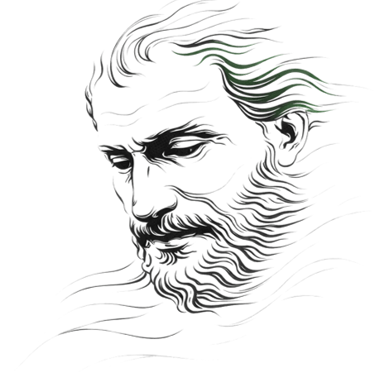
Overview: Heraclitus is brutal because he turns instability into the law of reality. Everything flows, conflict is foundational, and harmony emerges not from peace but from tension. He denies the fantasy of permanence and treats opposition as constitutive of order. His fragments feel oracular because they force the mind to inhabit a world where becoming outruns every attempt at possession. He belongs here as an ancestral master of severity: a thinker for whom fire, strife, and transformation are more real than comfort.
Thomas Hobbes
1588-1679
Areas of Philosophy: political philosophy, materialism, moral psychology, social contract theory
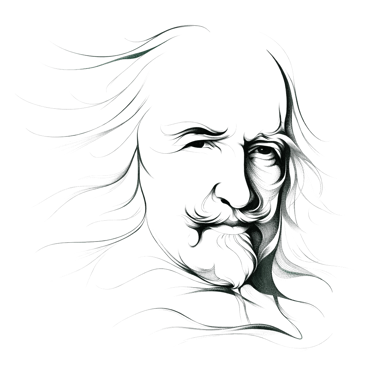
Overview: Hobbes is brutal in his anthropology. Strip away law and sovereign power, and human coexistence becomes radically unstable. Competition, diffidence, and glory-seeking generate a condition where fear structures life and violence remains always near. His famous state of nature is disturbing not because it is melodramatic, but because it begins from ordinary motives. He is here because he rejects sentimental visions of civic virtue and insists that order is an achievement built against permanent pressures toward conflict, vanity, and insecurity.
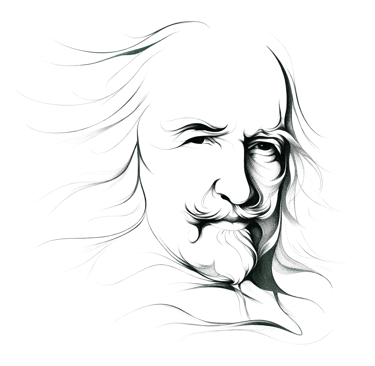
Michel Houellebecq
1956-present
Areas of Philosophy: social pessimism, sexual politics, cultural nihilism, late-modern alienation
Overview: Houellebecq is not an academic philosopher, but he is one of the most acute diagnosticians of spiritual collapse in modern Europe. His fiction portrays market society as a machine that privatises loneliness, eroticises hierarchy, and leaves individuals emotionally bankrupt. Love decays into bargaining, freedom into atomisation, and desire into humiliation. He belongs in here because he maps how liberal modernity can produce comfort, abundance, and technological sophistication without relieving misery, isolation, or metaphysical vacancy.
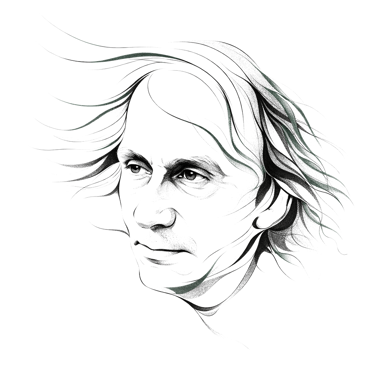
Darby Hudson
1975-present
Areas of Philosophy: poetic existentialism, emotional realism, outsider wisdom, illustrated aphorism, creative survival
Overview: Hudson is a contemporary writer-artist whose work turns vulnerability, despair, weirdness, tenderness, and private endurance into memorable aphoristic art. His books, prints, and handmade editions translate existential feeling into compact lines that feel both bleak and encouraging. He belongs in here because he transforms inner collapse, emotional honesty, and creative persistence into a culturally resonant form of lucid, unsentimental contemporary wisdom.
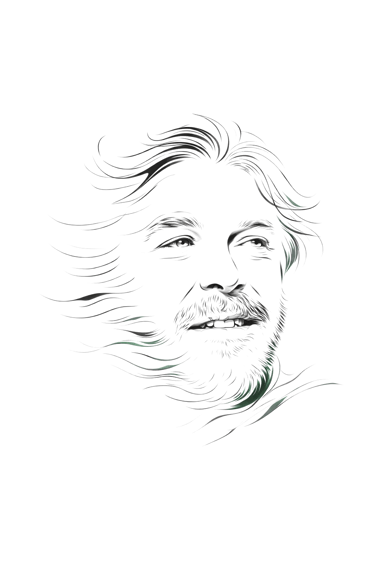
Søren Kierkegaard
1813-1855
Areas of Philosophy: existentialism, philosophy of religion, anxiety, subjectivity
Overview: Kierkegaard makes inwardness feel like a crisis from which there is no procedural escape. He dissects despair as a sickness of the self: a misrelation within consciousness that can hide beneath success, conformity, or even piety. The crowd is untruth because it allows individuals to evade the burden of becoming themselves. He matters to brutal philosophy because he shows that spiritual catastrophe need not look dramatic. It can be quiet, respectable, and socially rewarded while hollowing a person from within.


Arthur Koestler
1905-1983
Areas of Philosophy: political philosophy, psychology of ideology, science and consciousness, critique of totalitarianism
Overview: Koestler is less metaphysical than others here, but he is brutal in his understanding of ideological possession. He saw how systems of belief can absorb conscience, turn language into camouflage, and convert historical necessity into moral anaesthesia. In works like Darkness at Noon, he tracks how revolutionary idealism curdles into self-betrayal and terror. He matters to this project because brutal philosophy is not only about suffering in the abstract; it is also about the machinery that rationalizes cruelty in history.
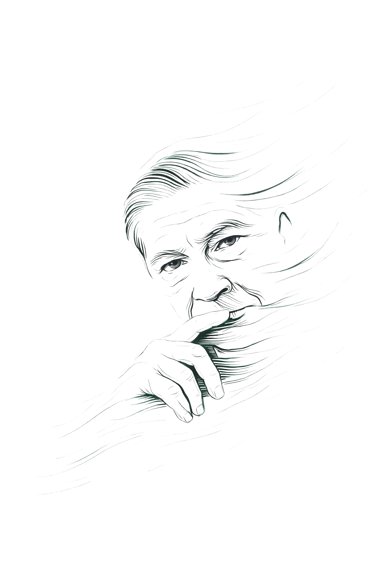
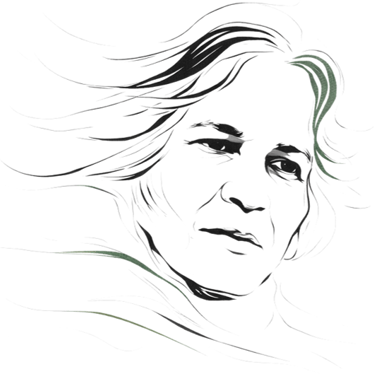
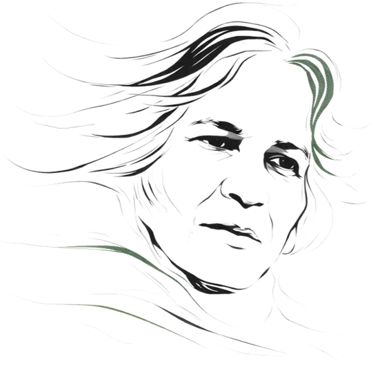
U.G. Krishnamurti
1918-2007
Areas of Philosophy: anti-guru philosophy, critique of enlightenment, radical anti-spirituality
Overview: U.G. Krishnamurti was not a conventional academic philosopher, but one of the most ruthless critics of spiritual ambition in the modern world. He rejected enlightenment, self-improvement, and every organised path to transformation as forms of illusion and cultural conditioning. He belongs in here because he attacked the very machinery of seeking itself, treating the self, thought, and spiritual aspiration as traps that perpetuate conflict rather than resolve it.
Giacomo Leopardi
1798-1837
Areas of Philosophy: philosophical pessimism, existential reflection, poetics of disillusion, critique of nature
Overview: Leopardi’s brutality lies in his war against sentimental views of nature. He denies that nature is maternal, benevolent, or morally intelligible. Instead, it is indifferent, productive, and annihilating. Human beings hunger for happiness and meaning, yet reality offers neither in durable form. His genius is to combine lyric beauty with merciless conclusions: our noblest aspirations arise inside a universe fundamentally hostile to them. Few writers have expressed cosmic indifference with such elegance, tenderness, and devastation.


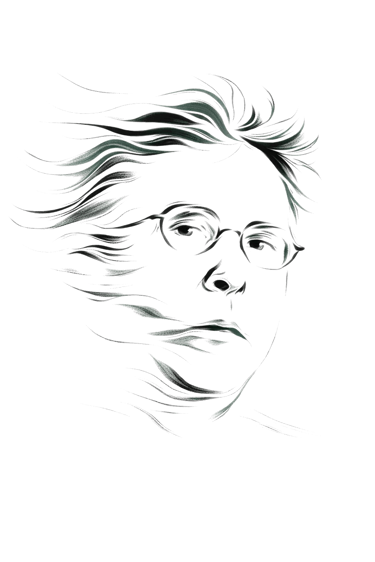
Thomas Ligotti
1953-present
Areas of Philosophy: philosophical pessimism, anti-natalism, horror metaphysics, critique of consciousness
Overview: Ligotti fuses horror literature with a metaphysics of consciousness so bleak it rivals the darkest philosophers. In his vision, self-awareness is not a triumph but a cosmic mistake: an aberrant condition that exposes human beings to dread, self-loathing, and theatrical delusion. Civilization becomes a puppet show performed to conceal the intolerability of being alive. His work matters because it gives pessimism a modern, hallucinatory form, translating ancient despair into the language of neurosis, performance, and ontological horror.
Lucretius
99 BCE - 55 BCE
Areas of Philosophy: Epicureanism, atomism, naturalism, philosophy of death
Overview: Lucretius offers one of the most radical demystifications in ancient thought. The world is made of atoms and void, not divine moral drama. Souls are material, fear of hell is manipulation, and death is not a punishment awaiting us but the end of sensation altogether. His brutality is liberating and chilling at once. By dissolving providence, immortality, and cosmic purpose, he leaves humanity inside a self-organizing material universe that neither notices our suffering nor explains it away.
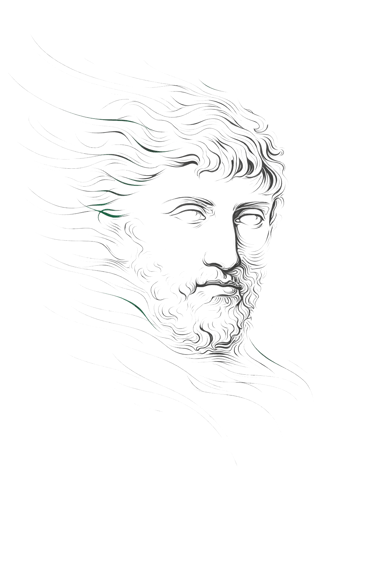
Philipp Mainländer
1841-1876
Areas of Philosophy: philosophical pessimism, metaphysics, anti-life thought, post-Schopenhauerian voluntarism
Overview: Mainländer may be the most terminal philosopher in the canon. He reworks Schopenhauer’s will into a universe whose deepest movement is toward exhaustion and extinction. Existence is not striving toward fulfilment but dispersal into nothingness. He transforms metaphysics into a doctrine of cosmic decline, where death is not merely an event within life but the direction of all being. His thought is unforgettable because it makes annihilation foundational, not exceptional, and interprets the universe itself as a long suicide.

Michel de Montaigne
1533-1592
Areas of Philosophy: scepticism, moral psychology, ethics, self-examination.
Overview: Montaigne is less apocalyptic than others here, but he is brutally honest about vanity, inconsistency, cowardice, and the limits of human reason. He turned the self into a laboratory and refused flattering conclusions. His essays expose how unstable judgment is, how performative virtue can be, and how little mastery people have over themselves. He belongs on this site because his scepticism strips away grandiosity. He shows that even ordinary introspection, pursued without vanity, can become quietly devastating.
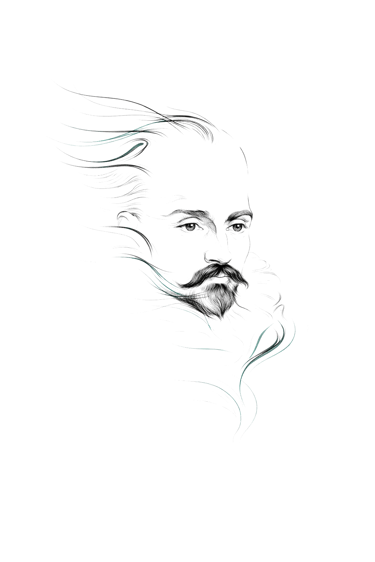
Friedrich Nietzsche
1788-1860
Areas of Philosophy: genealogy of morality, existentialism, critique of religion, philosophy of culture
Overview: Nietzsche is brutal not because he is merely harsh, but because he dismantles moral comfort at its roots. He attacks pity, herd morality, ressentiment, and the religious longing for metaphysical shelter. He asks whether our highest ideals conceal weakness, revenge, or fatigue with life. Even his affirmations are severe: self-overcoming, discipline, rank, and the courage to create values without guarantees. He remains terrifying because he forces the reader to ask whether their convictions are strength or disguised resentment.
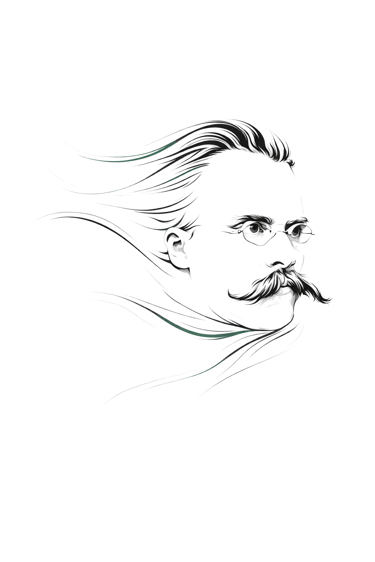
Blaise Pascal
1623-1662
Areas of Philosophy: philosophy of religion, existential theology, moral psychology, scepticism
Overview: Pascal sees the human being as a contradiction: glorious enough to know truth, ruined enough to evade it constantly. He anatomizes diversion, vanity, restlessness, and the terror of silence. People flee inward emptiness through games, ambition, sex, noise, and status because stillness would reveal their condition. His Christianity intensifies rather than softens the diagnosis. Pascal matters to brutal philosophy because he portrays consciousness as suspended between infinity and nothingness, unable to bear either condition without self-deception.
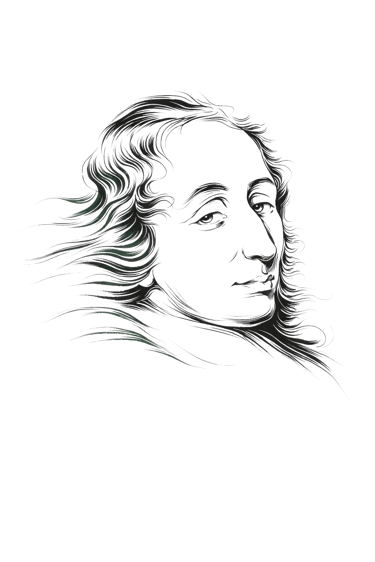
Marquis de Sade
1740-1814
Areas of Philosophy: moral transgression, political nihilism, libertinism, philosophy of desire and power
Overview: Sade pushes brutality past pessimism into systematic desecration. He treats morality as an artificial restraint imposed on bodies driven by appetite, domination, and destruction. In his universe, nature does not reward virtue or prohibit cruelty; it generates both without moral preference. His importance lies less in any humane wisdom than in the extremity of his challenge. He exposes the proximity between pleasure and violence, freedom and predation, and forces uncomfortable questions about whether morality can justify itself against desire.


Carl Sagan
1934-1996
Areas of Philosophy: scientific naturalism, cosmology, secular humanism, skepticism
Overview: Sagan reduces human self-importance without sentimentality. His cosmic perspective makes civilisation look local, fragile, and temporary. He pairs wonder with disenchantment: the universe is vast, beautiful, and indifferent to our moral narratives. What makes him useful here is his ability to universalize humility. The species is neither central nor guaranteed a future, and reason remains precious precisely because the cosmos offers no consoling script.


Jean-Paul Sartre
1798-1837
Areas of Philosophy: existentialism, phenomenology, freedom, bad faith
Overview: Sartre’s brutality lies in the burden he places on freedom. Human beings are not furnished with ready-made essences or excuses solid enough to erase responsibility. We hide from this through bad faith, role-playing, ideology, and the wish to become fixed objects. Yet existence remains contingent, sticky, and often nauseating. He belongs in brutal philosophy because he denies both metaphysical shelter and psychological innocence. The self is condemned to choose, condemned to interpret, and condemned to confront what it becomes by doing so.
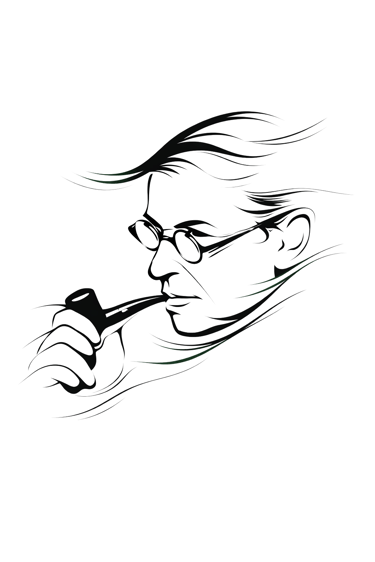
Arthur Schopenhauer
1788-1860
Areas of Philosophy: philosophical pessimism, metaphysics, ethics, aesthetics
Overview: Schopenhauer turned existence into a courtroom and found life guilty at the level of its design. For him, the world is driven by blind, insatiable will: a ceaseless striving that condemns all creatures to frustration, boredom, and pain. Pleasure never redeems the system; it merely interrupts suffering for a moment. His philosophy is brutal because it does not diagnose misery as accidental. It treats suffering as structural, universal, and metaphysically rooted.
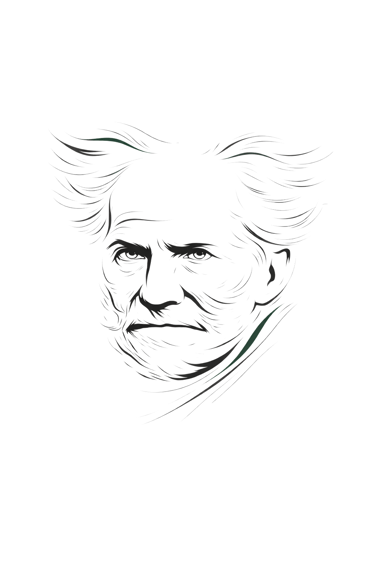
Seneca
4 BCE - 65 CE
Areas of Philosophy: Stoicism, ethics, mortality, political philosophy
Overview: Seneca gives Roman Stoicism a sharpened moral edge. He returns constantly to death, fragility, anger, fortune, humiliation, and the need to discipline desire before catastrophe does it for us. He is brutal in the best Stoic sense: reality will not adapt itself to your preferences, so you must train perception, judgment, and conduct accordingly. Yet his severity is not cold abstraction. It is written by someone immersed in imperial violence, corruption, dependency, and the daily instability of power.
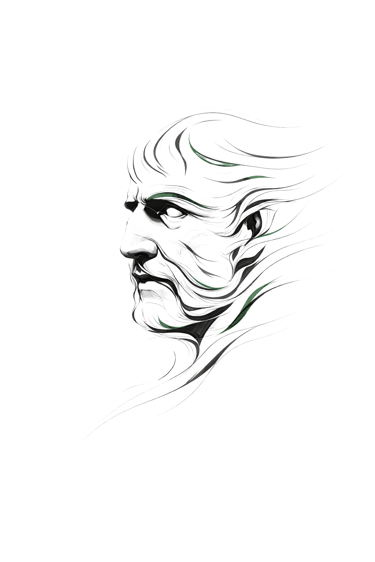
Baruch Spinoza
1632-1677
Areas of Philosophy: rationalism, metaphysics, ethics, philosophy of emotion
Overview: Spinoza can seem serene, but this is purchased through devastating revisions of ordinary belief. Human freedom is far smaller than people imagine, emotions often arise from inadequate understanding, and nature does not revolve around human purposes. He dissolves providential comfort and personal exceptionalism in favour of necessity. His place here lies in that impersonality: he invites the reader to abandon grievance, fantasy, and anthropocentrism, and to see that much suffering comes from demanding that reality flatter our desires.
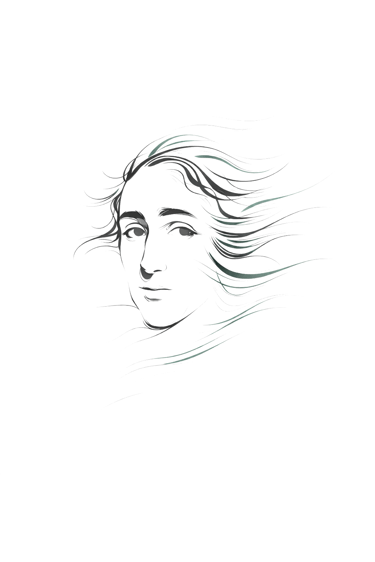
Voltaire
1694-1778
Areas of Philosophy: Enlightenment critique, anti-clericalism, political philosophy, satire
Overview: Voltaire’s brutality is surgical rather than metaphysical. He attacks superstition, fanaticism, judicial cruelty, and philosophical optimism with satire sharp enough to outlive its immediate targets. In works like Candide, he ridicules the idea that evil can be absorbed into a providential harmony without remainder. Disaster, stupidity, and power are too concrete for that. He belongs here because he teaches a brutal intellectual virtue: never let rhetoric, theology, or metaphysics conceal the actual texture of suffering.


Alan Watts
1915-1973
Areas of Philosophy: comparative philosophy, Zen and Vedanta interpretation, philosophy of self, mysticism
Overview: Watts is less brutal than many on this list, but he is devastating toward the ego’s pretensions. He attacks the fantasy of the isolated self, the compulsive attempt to control life, and the anxious division between mind and world. His thought undermines seriousness by exposing how much psychological suffering is generated by misidentification and grasping. He fits your project if you want a figure who reaches severity through dissolution rather than despair: the self loosens, and many cherished illusions go with it.
Simone Weil
1909-1943
Areas of Philosophy: ethics, mysticism, political philosophy, affliction, attention
Overview: Weil is severe in a purified, almost unbearable way. She writes about affliction as something deeper than pain: a force that crushes body, soul, status, and language together. Her thought strips away vanity, force, collective intoxication, and political idolatry. Attention becomes an ethical act because most people never truly encounter reality or the suffering of others without distortion. She belongs in brutal philosophy because she refuses every cheap consolation while preserving a terrifyingly exacting moral seriousness.


Peter Wessel Zapffe
1899-1990
Areas of Philosophy: existential pessimism, philosophy of consciousness, anti-natalism, tragic theory.
Overview: Zapffe developed one of the most radical diagnoses of consciousness in modern thought. He argued that humanity is a biological overreach: an animal burdened with reflective capacities it cannot bear. Rather than live transparently with the horror of existence, people survive through defences such as isolation, anchoring, distraction, and sublimation. His philosophy is brutal because it treats despair not as pathology but as the truthful response to human self-awareness. Civilization becomes a defence system against seeing too clearly.


Join Brutal Philosophy
No comfort. Just the raw, unfiltered truth.
© 2026. All rights reserved.